
 EN
EN



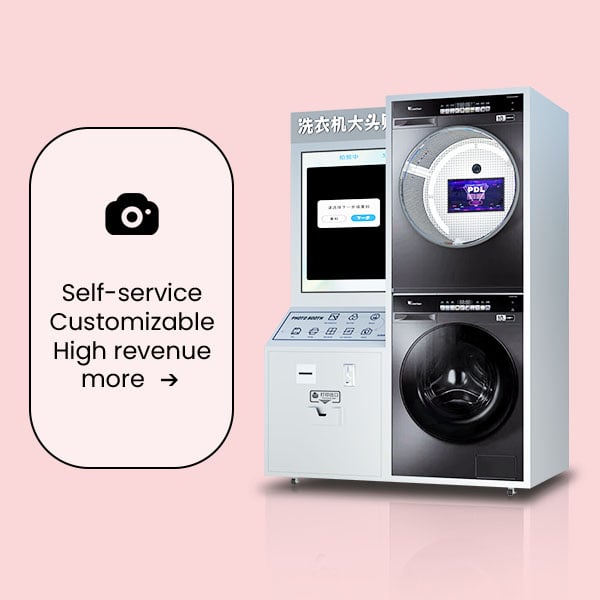
In recent years, self-service photo booths have emerged as a low-barrier, high-potential business opportunity across global retail and entertainment markets. Driven by changing consumer habits, technological advancement, and the growing demand for instant, personalized visual content, this niche entrepreneurial venture offers attractive profit margins for operators willing to strategize effectively. For aspiring entrepreneurs seeking flexible, scalable income streams, the self-service photo booth model presents a compelling case worth exploring.
The core advantage of self-service photo booth entrepreneurship lies in its low operational overhead compared to traditional brick-and-mortar businesses. Unlike full-service photography studios that require large retail space, full-time photographers, and extensive equipment investment, self-service booths can operate in compact 2-3 square meter areas in high-traffic locations such as shopping malls, subway stations, university campuses, and tourist attractions. Rental costs for these small spaces are significantly lower than for full retail outlets, and because the entire process—from payment to photo delivery—is automated, no on-site staff is required. Entrepreneurs typically only need to spend 1-2 hours per week on maintenance, paper replacement, and equipment cleaning, keeping labor expenses minimal. The initial capital outlay is also accessible: a new commercial-grade self-service photo booth costs between
3
,
000
?
?
?
3,000and8,000, with second-hand units available for even less, making it feasible for first-time entrepreneurs with limited startup funding.
Diversified revenue streams are another key factor that boosts the profit potential of this business. The primary income source comes from traditional ID photo services, which remain in constant demand for passports, driver’s licenses, student IDs, and visa applications. Most operators charge
5
?
?
5to12 per set of ID photos, with material costs (ink and photo paper) accounting for less than 10% of the revenue. Beyond ID photos, many modern booths offer creative self-portrait sessions, including beauty filters, themed backgrounds, and instant print social media photos, which cater to younger consumers looking for content for Instagram, TikTok, or personal keepsakes. These creative services often command higher prices, with 15-30 minute sessions priced at
10
?
?
10to20, generating far higher margins than basic ID photos. Additional revenue can be generated through digital photo delivery (charging a small fee for high-resolution digital files), advertising partnerships with local brands (displaying promotional content on the booth’s welcome screen), and event rental for weddings, birthday parties, and corporate activities, where a single weekend rental can bring in
200
?
?
200to500 in revenue.
Location strategy is the most critical determinant of long-term profitability for self-service photo booth businesses. High foot traffic alone is not enough; operators must target locations with consistent, targeted demand. University campuses are a particularly lucrative location: students constantly need ID photos for enrollment, internships, and study abroad applications, and many campuses lack affordable, convenient photography options. Placing a booth near a student affairs office or campus library can generate 15 to 30 transactions per week on average. Tourist attractions offer another high-growth opportunity: visitors often want instant printed souvenirs with scenic backgrounds, and booths placed at exit points or near popular photo spots can see a surge in transactions during weekends and holiday seasons, with many generating more revenue in one peak weekend than in an entire slow week. Transportation hubs such as subway stations and airport terminals also offer steady demand from travelers who need last-minute ID photos for travel documents. Successful operators often test multiple locations over the first 3-6 months, moving underperforming booths to new sites to maximize occupancy and revenue.
Technological innovation has further expanded profit margins by improving customer experience and reducing operational costs. Modern self-service booths are equipped with high-resolution cameras, AI-powered beauty retouching, and automatic ID photo specification adjustment, which eliminate human error and ensure that photos meet official requirements, reducing customer complaints and return rates. Cloud-based management systems allow entrepreneurs to monitor real-time sales, inventory levels, and equipment status from their phones, making it easy to manage multiple booths across different locations without daily on-site checks. Many operators also integrate social media sharing features: customers can scan a QR code to save their photos to their phones and share them on social platforms, providing free word-of-mouth promotion that attracts new customers without additional marketing costs. Digital payment integration also eliminates the need for cash handling, reducing security risks and administrative work.
Of course, like any business, self-service photo booth entrepreneurship comes with challenges that can impact profitability. Market competition is increasing in many urban areas, so new operators must differentiate themselves by offering better services, such as more filter options, higher quality printing, or competitive pricing. Equipment maintenance is another ongoing consideration: regular cleaning and part replacement are necessary to avoid downtime that loses revenue. However, these challenges are manageable with proper planning. Most successful entrepreneurs see a full payback on their initial investment within 6 to 18 months, depending on location, and once the investment is recouped, ongoing profit margins often exceed 60%.
In conclusion, the self-service photo booth business offers a compelling combination of low entry barriers, flexible scaling, and strong profit potential for aspiring entrepreneurs. By leveraging automation to keep costs low, diversifying revenue streams beyond basic ID photos, and strategically selecting high-demand locations, operators can build a stable passive income stream that requires minimal ongoing time investment. As consumer demand for instant, convenient photographic services continues to grow, this entrepreneurial niche is likely to remain profitable for years to come.