
 EN
EN



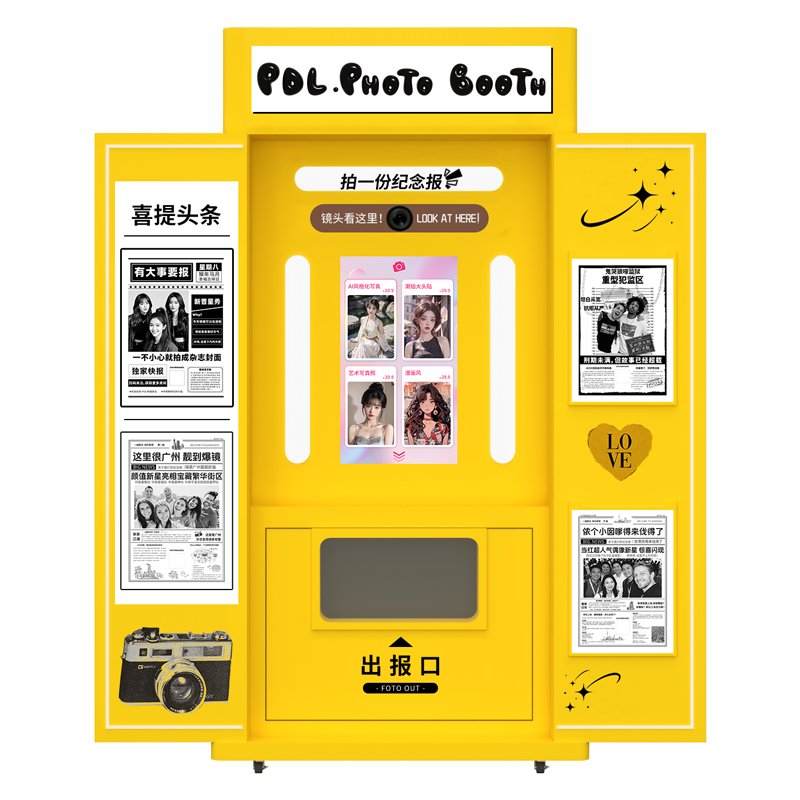
In an era defined by curated digital personas and the relentless pursuit of the perfect social media post, a humble piece of technology has staged a remarkable comeback. The photo booth, once relegated to the sticky floors of arcades and the corner of shopping malls, has undergone a high-tech renaissance. Today, it is not just an accessory but a strategic centerpiece in cultural tourism destinations worldwide. From the ancient ruins of Rome to the neon-lit streets of Tokyo, photo booths are revolutionizing the way tourists interact with history, art, and culture, turning passive sightseeing into active, shareable experiences.
The modern photo booth is a far cry from the coin-operated, four-panel strip machines of the past. They have evolved into sophisticated, interactive installations equipped with professional lighting, high-resolution cameras, and an array of digital effects. However, the true magic lies in their integration with the destination itself. This is not just about taking a picture; it is about "place-making." Destinations are leveraging these booths not merely as photo opportunities but as immersive portals that deepen a visitor's connection to the location.
Consider the Louvre in Paris or the Rijksmuseum in Amsterdam. These institutions have implemented photo booths that go beyond the classic "Mona Lisa" selfie. They utilize augmented reality (AR) to allow visitors to "try on" historical attire, superimposing period-appropriate wigs and costumes onto their images. A visitor can walk out of the museum not just with a memory of seeing a Vermeer, but with a digital portrait of themselves dressed as a character from a Dutch Golden Age painting. This gamification of culture transforms learning from a passive act of reading placards into an engaging, playful activity. It makes history tactile and personal, creating an emotional anchor that significantly enhances visitor satisfaction and recall.
The application of photo booths in scenic areas is particularly ingenious, especially in locations famous for natural beauty or iconic landmarks. In the national parks of the United States, for instance, visitors can find "Wilderness Selfie" booths that feature green screen technology. Standing in front of a green screen, a family can have their photo taken and then choose from a backdrop of the park's most stunning vistas—the Grand Canyon at sunset, Yosemite's El Capitan, or the geysers of Yellowstone. This serves a dual purpose: it allows visitors to take home a souvenir-quality photograph regardless of the weather or their photography skills, and it helps manage tourist foot traffic. By offering a virtual photo experience, parks can alleviate overcrowding at the most popular vantage points, allowing visitors to capture the perfect shot without contributing to environmental degradation or safety hazards.
For cultural festivals, the photo booth has become an indispensable tool for storytelling. During the Lunar New Year celebrations in China or the Carnival in Rio, custom-designed booths are erected to reflect the theme of the event. They are often equipped with props, traditional musical instruments, and digital overlays that provide context and cultural significance. For example, a booth at a Chinese temple fair might allow visitors to pose with a digital projection of a lion dance, while simultaneously displaying a brief history of the tradition on a secondary screen. This encourages participation from international tourists who might otherwise feel like outsiders, bridging the cultural gap through the universal language of play.
The driving force behind this phenomenon is, unequivocally, social media. In the age of Instagram and TikTok, the "shareability" of an experience is a primary metric of its success. Photo booths are engineered to produce content that is inherently viral. The high-quality, stylized images are perfectly formatted for social feeds, acting as free advertising for the tourist destination. When a tourist posts a whimsical picture from a booth in a Scottish castle, it is not just a personal memory; it is a digital postcard sent to hundreds of friends and followers, effectively generating organic buzz and inspiring wanderlust.
Furthermore, these booths are increasingly integrated with data-capture technology. Many modern installations are equipped with touchscreens that allow users to input their email addresses or phone numbers in exchange for a digital copy of their photo. This strategy is a goldmine for tourism marketers. It builds a robust mailing list of highly engaged individuals who have already demonstrated an interest in the destination. Destination marketing organizations (DMOs) can then retarget these visitors with personalized content, special offers, and incentives to return, turning a one-time visitor into a lifelong advocate. The photo booth thus becomes a powerful tool for customer relationship management, extending the tourist's journey long after they have left the site.
The commercial aspect is equally compelling. For operators, these booths represent a lucrative revenue stream with relatively low overhead. While the initial investment in technology can be significant, the ongoing costs are minimal. Tourists are willing to pay a premium for a high-quality, branded memento that is both instant and digital. The booths eliminate the inventory risks associated with traditional gift shops—there are no unsold t-shirts or mugs gathering dust. Moreover, the integration of AI allows for upselling; booths can offer photo books, personalized calendars, or frames, providing a frictionless point-of-sale experience that requires no inventory management.
However, the success of this phenomenon relies on a delicate balance. There is a fine line between enhancing the experience and commodifying it. Tourists risk becoming so focused on capturing the perfect "booth moment" that they disengage from the reality of their surroundings. To counter this, the most successful destinations are those that integrate the booth as part of a larger narrative, ensuring it complements rather than replaces the authentic experience. The goal is to use the booth to encourage visitors to look closer, ask questions, and engage with the environment, not to use it as a shield to block out the world.
Looking to the future, the technology is only set to become more sophisticated. We are moving towards full-body 3D scanners and holographic projections that will allow tourists to insert themselves into historical reenactments or mythical stories. As Artificial Intelligence continues to evolve, photo booths will soon be able to tailor the experience in real-time, adjusting backgrounds and filters based on the visitor's mood or facial expression.
In conclusion, the photo booth is no longer just a machine; it is a strategic asset in the cultural tourism landscape. It serves as a bridge between the past and the present, the tourist and the culture, the physical visit and the digital footprint. By offering an engaging, shareable, and memorable experience, these modern marvels are not just capturing images—they are capturing imaginations, building communities, and ensuring that the stories of our world's cultural treasures are told and retold in the digital age. The photo booth has become a window through which tourists can see not just themselves, but the culture they are visiting, in a new and enlightening light.